
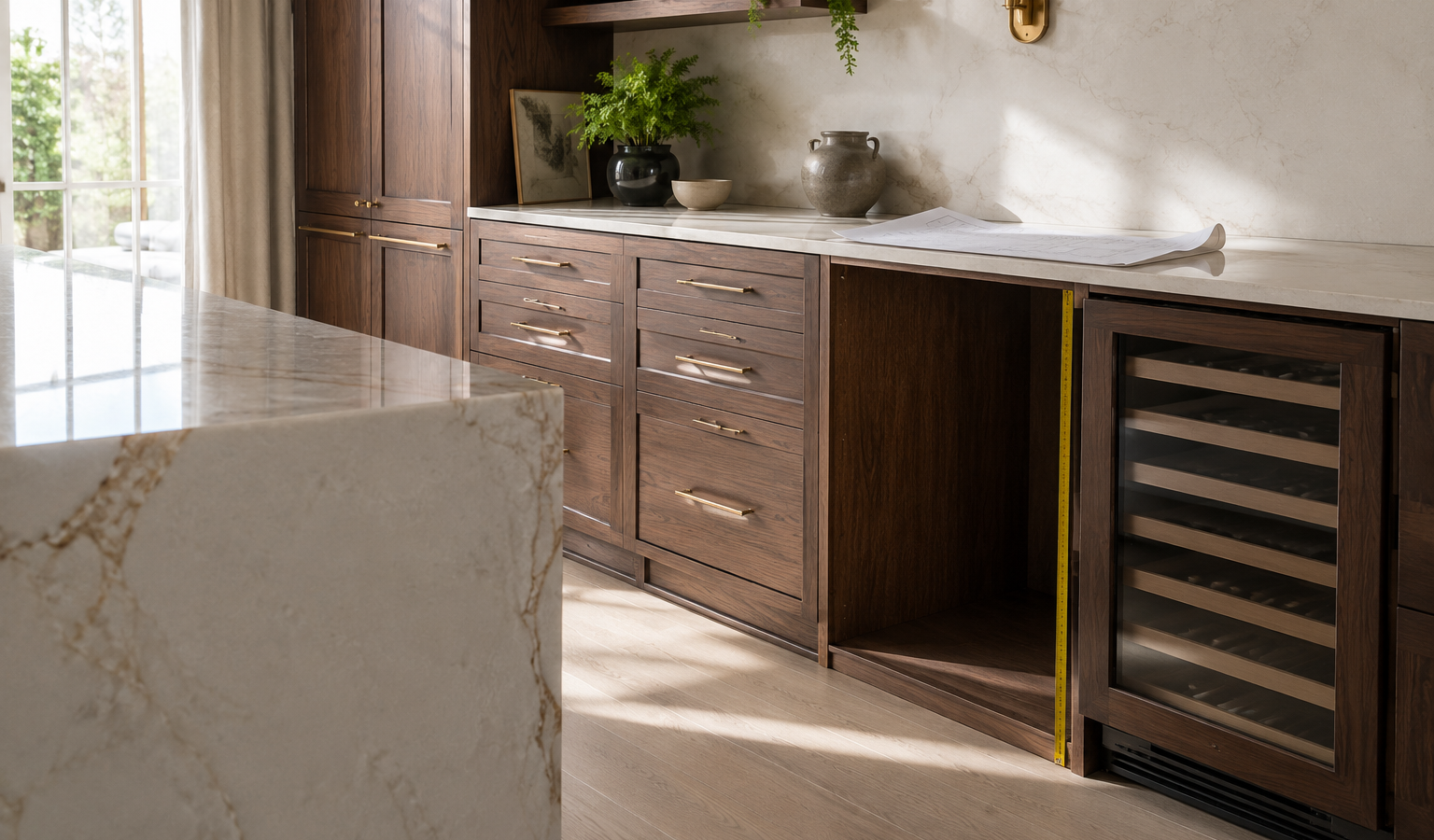
How to Maintain a U-Line Outdoor Refrigerator
Seasonal maintenance for U-Line outdoor refrigerators: coils, gaskets, electrics, and winterization habits that prevent surprises.

Outdoor units need a calendar
Rain, pollen, UV, and patio grease age a U-Line outdoor refrigerator faster than a kitchen install. Maintenance is less about perfectionism and more about preventing the mid-holiday failure. Build a light spring and fall ritual.
Seasonal checklist
- Spring: Vacuum condenser paths, wash removable grills per manual, check gasket flexibility, test GFCI.
- Summer: Mid-season fluff removal after storms; verify the unit still reaches setpoint in late afternoon.
- Fall: Inspect for rust at hinges and kick plates; confirm drains are clear before wet weather.
- Winter: Follow the manual for shutdown or continued operation in freezing climates—do not guess.
| Task | Frequency | Why it matters |
|---|---|---|
| Condenser cleaning | 2–4× per year | Heat rejection in high ambient |
| Gasket wipe-down | Monthly | Sealing against humid air |
| GFCI test | Monthly | Outdoor electrical safety |
| Level / anti-tip check | Seasonally | Door seal and stability |
Winterization without folklore
If you leave the unit off in freezing weather, remove perishables, clean interiors, and prop the door only if the manual recommends mold prevention steps. Water lines for ice-capable outdoor models need proper shutoff and draining—frozen inlet valves crack.
Corrosion, nesting pests, and weathered wiring are reasons to schedule independent outdoor refrigerator repair rather than waiting for total failure. Care articles continue on the blog. Contact for a pre-season inspection if the unit struggled last summer.
Pests, pollen, and stainless care
Toe-kick cavities attract spiders, lizards, and cottonwood fluff. A quick seasonal flashlight check prevents nests that choke airflow. Wipe stainless with products meant for outdoor appliances; chloride-heavy cleaners and coastal air combine to pit finishes that then look “ruined” even when cooling is fine.
After windstorms, confirm the unit did not shift on its legs and that doors still seal. A slightly racked outdoor cabinet is a common post-storm complaint that looks like a cooling failure until someone checks the latch line.
Document model and serial now—weathered labels become unreadable exactly when you need parts.
Pre-party five-minute inspection
Before holiday cookouts, glance at louvers, confirm the door latches, and verify the GFCI. That five-minute habit prevents the classic guests-arrive-fridge-is-warm weekend. Keep a brush in the outdoor kitchen drawer so coil care is not a scavenger hunt.
If you winterize by shutting down, schedule the spring restart early enough to discover faults before the first heat wave—not the morning of a graduation party when every tech route is already full. A calm April test run is cheaper than an emergency July visit with a cooler full of melting food and frustrated guests.

Turn this guide into a clear on-site diagnosis
FAQ
Frequently asked questions
Avoid forcing water into louvers and electrics; gentle methods win.
Yes—UV and chlorine air pit finishes; use appropriate stainless care.
Follow climate guidance in the manual; empty running units still need airflow kept clear.
Keep reading
More from the guides

How to Extend the Life of Your U-Line Refrigerator, Wine Cooler or Ice Maker
Longevity habits for U-Line refrigerators, wine coolers, and ice makers: airflow, seals, water quality, and early service.
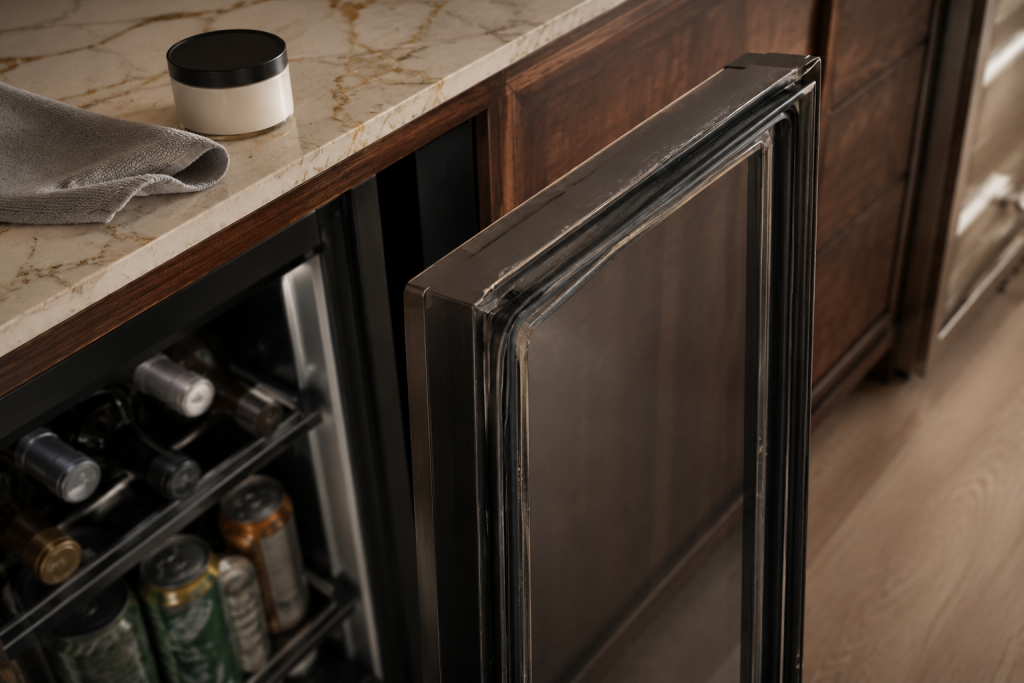
When Should You Repair vs Replace a U-Line Appliance?
A clear framework for repair versus replace decisions on U-Line undercounter refrigeration and ice equipment.
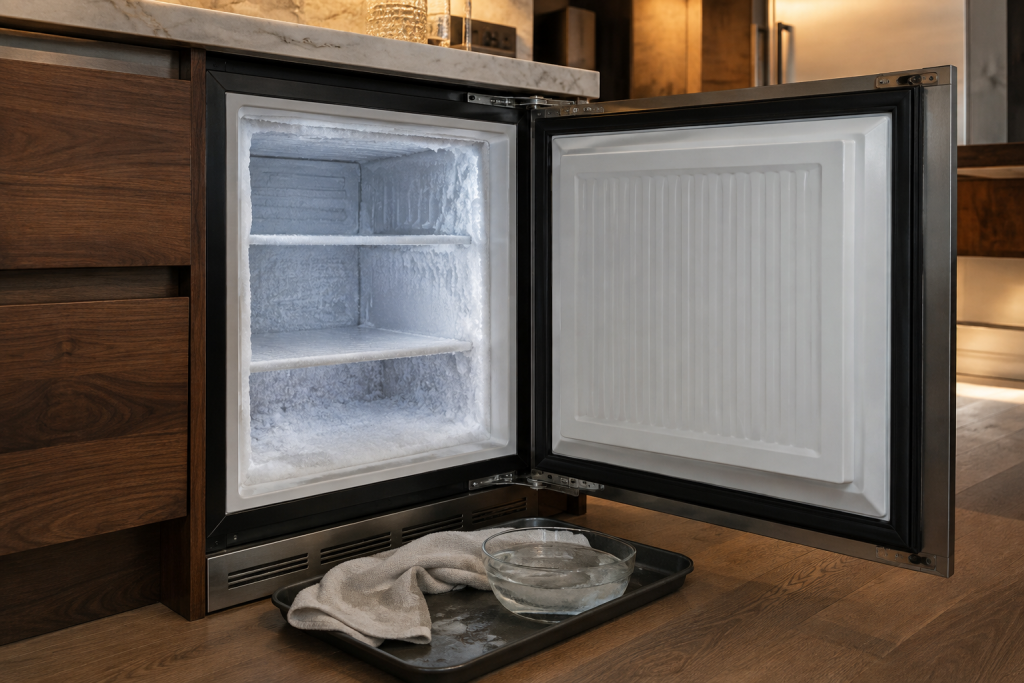
How to Clean U-Line Refrigerator Condenser Coils
Clean U-Line refrigerator condenser coils safely: access tips, tools, cadence, and when dirt means a service visit instead.
Turn this guide into a clear on-site diagnosis
Book a repair
Tell us what’s wrong — we’ll take it from there
Share a few details and we’ll confirm an appointment. Prefer to talk? Call us and we’ll help right away.
Address
1200 Brickell Ave, Suite 400, Miami, FL 33131
Phone
(305) 555-0142
Email
service@example.com
Hours
Mon–Sat: 8:00 AM – 7:00 PM
Service area
Serving Miami, New York, Houston, Los Angeles and San Diego metro areas.
Response time
Same-day and next-day appointments in most areas.
Request your repair
Fill in the form below and we’ll confirm an appointment.